Boxer Puppies in Socks Xmas Ornament Review
Every holiday season, I look for designs that strike that perfect balance between playful charm and stitch-friendly layout. When I first opened the Boxer Puppies in Socks Xmas Ornament PNG, I knew this was a piece that could work beautifully across a range of projects—from custom sweatshirts to embroidered tote bags. As someone who both digitizes and sews out designs for clients and my own shop, I approach every new file with a practical eye: will it stitch out cleanly? Will customers love it? And is it versatile enough to justify the time I invest? This design holds up well, but like any graphic being translated into thread, it deserves a thorough run-through before you commit to production.
First Impressions: Why This Design Feels Like a Holiday Winner
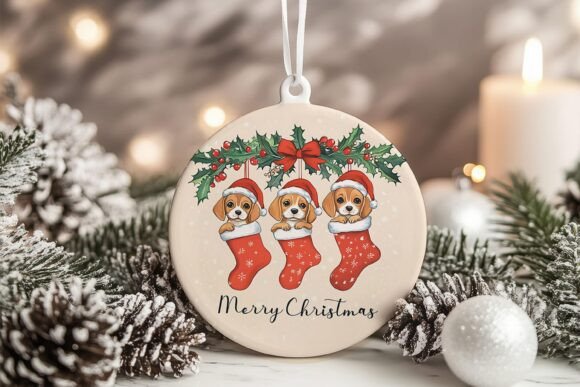
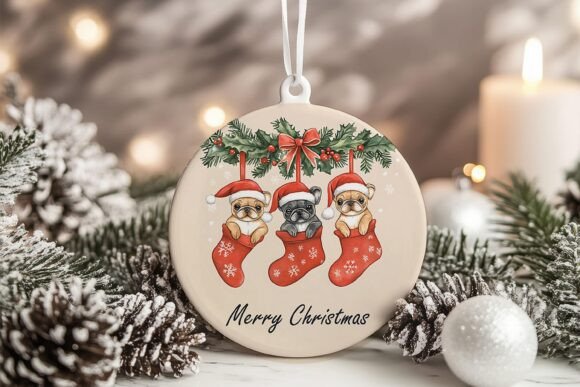
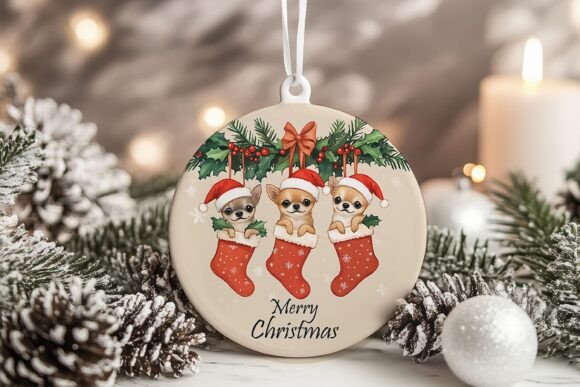
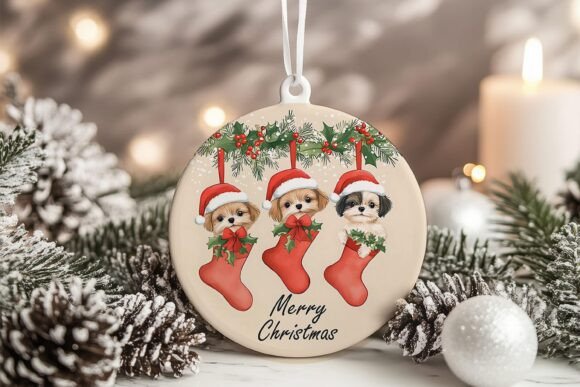
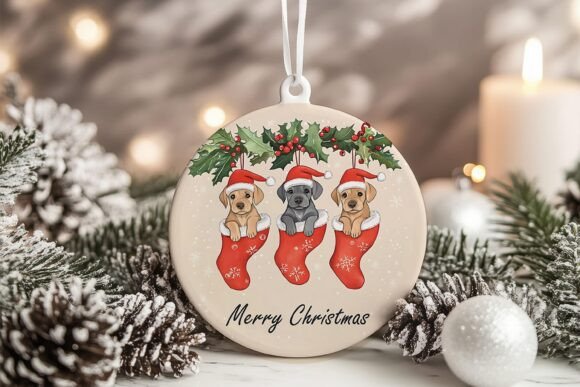
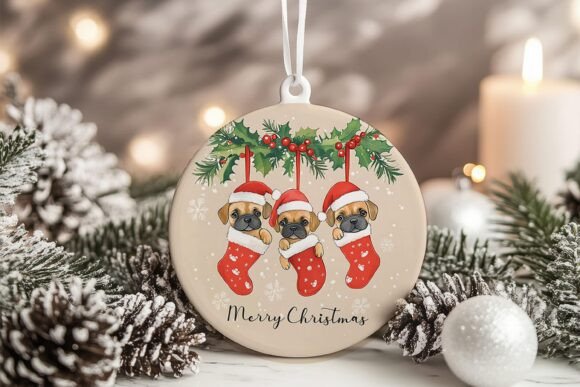
The circular composition immediately makes it a natural fit for ornaments, patches, and centered chest placements. The image of two boxer puppies peeking out from oversized socks is endearing without being overly cutesy—the dogs’ expressions have that authentic, slightly goofy charm boxer owners recognize instantly. The linework and shading are clean enough that a skilled digitizer can preserve the personality without needing a mountain of stitches. The transparent PNG background is a huge plus for mockups and previews, letting you drop the art onto any fabric color before digitizing. For a graphics file being used as a reference for machine embroidery design, it gives you clear direction on thread colors and detail hierarchy.
Real-World Embroidery Performance: How It Translates from PNG to Stitched Project
Because this is a PNG and not a native embroidery file, your first job is to decide how to interpret the artwork for stitching. The puppies’ faces have small features—eyes, noses, the folds of the socks—that require careful handling. If you plan to use this for a satin stitch outline with fill stitch bodies, keep your stitch density moderate. Too dense and the design becomes stiff; too light and you lose the definition in the puppies’ expressions. I recommend running a test on scrap fabric using the same stabilizer and fabric type you intend for the final product. A medium-weight cutaway stabilizer works best for most garment applications.
For a personalized gift like a holiday sweatshirt or a tote bag design, the circle shape measures well between 4 and 5 inches in diameter. That size keeps the puppies large enough to show detail while remaining manageable for most home embroidery machines. If you’re planning to stitch this as a embroidered patch, consider adding a satin stitch border around the circle edge to give it a finished, professional look.
Comparison Table: Stitch Approaches for Different Projects
Note: The following recommendations are based on my experience digitizing similar artwork. Exact stitch counts and thread colors depend on your digitizing software and the scale you choose.
- Apparel (sweatshirts, t-shirts): Use 40-weight thread, medium density fill for the socks, low density for the puppies’ faces to avoid puckering on knit fabrics. Test on a scrap tee first.
- Tote bags and pillows: You can increase density slightly since these fabrics are more stable. A combination of running stitch details and fill stitch areas gives a nice texture.
- Holiday ornaments: Keep the design under 3.5 inches. Simplify the socks to basic outlines and use applique design techniques for the red and white stripes to reduce stitch count.
Where to Use It and Where to Be Careful
This design shines in custom apparel for dog lovers, baby embroidery on onesies or bibs, and holiday embroidery for gifts that feel both personal and professional. I’ve seen similar designs sell well on Etsy seller shops as finished ornaments or as part of a Christmas bundle. The circular layout also makes it easy to incorporate into a pillow cover or a kitchen towel—just recenter the design and adjust the scale.
That said, there are areas where you need to proceed with caution:
- Small hoop sizes (4x4 or smaller): The detail in the puppies’ faces will be lost if you size the design below 3 inches. Avoid shrinking it too much.
- Stretchy or sheer fabrics: The dense fill areas can cause tunneling. Use a tear-away or water-soluble stabilizer on top and a cutaway underneath.
- Curved surfaces like caps: The circular shape can be adapted, but the top of the design may distort. Test on a cap hoop with heavy stabilizer.
- Dark fabric: The white and red socks will pop nicely, but the darker brown of the puppies may bleed into black fabric. Use a white thread for highlights or adjust the contrast in your digitizing software.
Visual Appeal and Customer Perception
In my years of running a craft business and selling at holiday markets, I’ve learned that buyers respond to designs that tell a story. The Boxer Puppies in Socks Xmas Ornament does that instantly. It evokes cozy mornings, pet ownership, and the quirky joy of watching dogs get tangled in Christmas socks. When you stitch this onto a handmade product, it communicates care and attention to detail. The design also works well for commercial embroidery if you have the proper licensing—since it’s a digital file sold as a PNG, confirm with the seller whether you can use it for finished products you intend to sell.
Practical Designer Notes Before You Digitize
- Test in black and white: Print the PNG in grayscale to see which areas rely on color contrast. If the puppies’ features blur together, you may need to add outlines or increase contrast in the digitizing process.
- Check stitch density: Aim for 4,000 to 6,000 stitches per square inch for the fill areas. For the socks’ stripes, keep satin stitch density around 40 to 50% to avoid a stiff feel.
- Select thread colors carefully: The PNG shows several shades of brown, red, white, and green. I recommend using four to six thread colors: solid red, white, dark brown, light brown, black for details, and a green for the holly accent if you keep it.
- Use proper stabilizer: For most garment projects, a medium-weight cutaway is reliable. For thick towels or blankets, add a water-soluble topping to prevent stitches from sinking into the nap.
- Inspect small details: The puppies’ eyes and noses are tiny. If you use running stitch for those, set the stitch length to 0.5–0.7mm. If the digitizing software allows, emphasize the eyes with a small satin stitch to make them pop.
- Test on light and dark fabric: I ran a test on both white cotton and navy fleece. On the dark fabric, the brown puppies’ faces dramatically disappeared. I added a white outline around their heads and adjusted the fill to a lighter brown. That extra step made the design readable on any background.
The Bottom Line for Crafters and Small Shop Owners
This design is a solid contender for your holiday crafts lineup. It fits the niche of dog-themed Christmas decor, which consistently sells from October through December. Whether you plan to produce embroidered patches, sweatshirt embroidery, or personalized gifts for clients, the Boxer Puppies in Socks Xmas Ornament gives you a flexible starting point. Because it’s a PNG, you also have the option to use it for printable mockups or design assets in your product listings. Just remember that the final embroidery result depends heavily on your digitizing choices and your willingness to test. For the price of a digital download, you’re buying potential—and with a bit of care, that potential turns into a finished product that makes both the maker and the customer smile.
As always, check the seller’s license agreement before using this graphics file for commercial embroidery. Some PNG sellers allow unlimited physical product sales; others restrict it. And if you’re a digital product seller yourself, consider creating a digitized version of this design to offer as a digital embroidery file—just make sure you have the rights.
Happy stitching, and may your hoop always be perfectly centered.