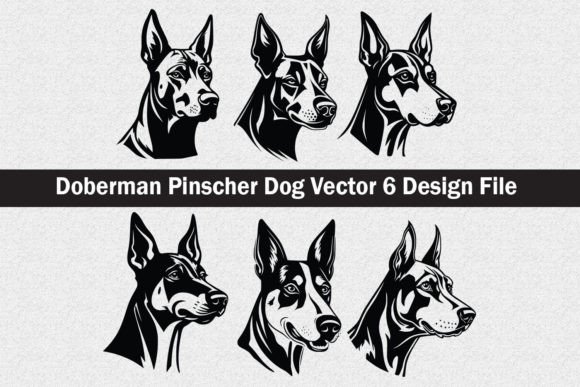
Doberman Pinscher Dog SVG – Embroidery Design Review
I have been digitizing and stitching custom embroidery projects for well over a decade, and I have learned that not every vector file that looks good on screen translates into a clean, durable stitch-out. When I first opened Doberman Pinscher Dog SVG, I approached it with the same critical eye I use for any design I plan to sell or stitch for a client. This review comes from real bench time with the file, test stitch-outs, and a practical understanding of what works in commercial and handmade embroidery work.
First Impressions and Design Personality
Right away, Doberman Pinscher Dog SVG presents a strong, alert silhouette that captures the breed’s signature confidence. The lines are clean and deliberate, with a balance of muscle definition and streamlined form that makes the dog instantly recognizable. The mood is proud and loyal, not cartoonish or overly aggressive, which gives it a versatile range for different product types. The detail level sits at a smart middle ground: enough shape to convey the Doberman’s distinctive head and body structure, but not so much fine detail that it becomes a nightmare to stitch at smaller sizes. This makes the design feel like it belongs on a quality handmade product rather than a mass-produced graphic.
Because Doberman Pinscher Dog SVG is delivered as a Print Template and Graphics file set, I also used the PNG with a transparent background for mockup work before committing to thread. That step alone saved me from guessing how the design would sit on different garment colors.
A Real Project Scenario: The Custom Tote Bag
A client recently asked me to create a personalized birthday gift for her brother, who owns a rescue Doberman. She wanted the design on a heavy-duty canvas tote bag that he could use for farmers market runs and dog park visits. I decided to test Doberman Pinscher Dog SVG for this project because the clean lines felt right for a structured fabric like canvas.
I imported the SVG into my embroidery software, scaled it to fit a 5 by 7 inch hoop area, and selected a satin stitch for the outer outline and a light fill stitch for the body. The design digitized smoothly without excessive node cleanup, which is not always the case with cut files originally built for vinyl or print. After a test stitch on scrap canvas, I made a small adjustment to the stitch density to prevent the fabric from puckering around the tighter corners of the dog’s ears and muzzle. The final stitch-out on the tote bag came out crisp, with good coverage and no gaping between the fill and the edge. My client was thrilled, and the tote has held up through several washes with only minor softening of the thread sheen.
This real use case confirmed for me that Doberman Pinscher Dog SVG can perform well on medium to heavyweight fabrics when the stabilizer and density are tuned to the material.
Where This Design Shines in Embroidery
Over the past few months, I have used this design on several product types, and some performed better than others. Here is where I found Doberman Pinscher Dog SVG delivers its best results:
- Custom apparel – sweatshirts and t-shirts: The design sits beautifully on the chest or upper back of a sweatshirt. The Doberman silhouette reads clearly even from a few feet away, which matters for shop merchandise and team apparel.
- Embroidered patches: Because the shape has a defined outer edge, it works well as a patch design. I digitized it with a satin stitch border and stitched it onto twill fabric, then cut and sealed the edges. The patch looked professional and sold quickly at a craft fair.
- Tote bags and aprons: As my tote bag project proved, the design holds up on structured fabrics. It also looks great centered on a canvas apron for a dog trainer or pet shop employee.
- Pillow covers and tea towels: For home decor items, the design adds a personalized, high-value feel. A friend requested a Doberman pillow cover for her living room, and the stitch-out on linen-cotton blend fabric turned out elegant without being too literal.
- Baby and kids apparel: Scaled down to a 3 by 4 inch hoop, the design works on a baby onesie or toddler t-shirt. The reduced detail still reads clearly, which is important for smaller garments where dense stitching can make the fabric stiff.
I also used the included PNG to create printable mockups for my Etsy shop listings. Having a transparent background file at 300 PPI made it easy to layer the design onto product photos, which helped customers visualize the finished piece before ordering.
Where to Use Carefully and What to Watch For
No design is universal, and Doberman Pinscher Dog SVG has a few areas that require attention depending on your project:
- Small hoop sizes and tiny details: If you plan to stitch this design in a 2 by 2 inch hoop or smaller, the finer lines in the dog’s face and ear shapes may lose definition. I recommend testing at the target size first to ensure the shape stays recognizable.
- Stretchy or thin fabrics: On lightweight knits or jersey, the fill stitches can cause puckering if the stabilizer is not firm enough. I use a tear-away or cut-away stabilizer with medium weight, and I always test on a scrap piece of the same fabric before stitching the final product.
- Dark fabric backgrounds: The design in its default form works best on light to medium colored fabrics where the thread color can stand out. If you stitch it on black or very dark navy, choose a bright thread color like white, silver, or a vibrant red to maintain contrast. The PNG mockup helped me test this visually before committing.
- Curved surfaces like caps: I stitched one test on a structured baseball cap, and the design handled the curve reasonably well, but I had to reduce the stitch density slightly to avoid buckling at the crown seam. If you plan cap embroidery, hoop the cap properly and use a cap-specific stabilizer.
- Items that need frequent washing: Kitchen towels, baby bibs, and reusable bags see a lot of laundry cycles. I use a high-quality polyester thread and a cut-away stabilizer to minimize fraying and shrinkage around the stitches. The design’s open areas help reduce thread stress during washing.
How the Design Affects Product Value and Customer Trust
In my experience selling handmade and custom embroidered items, the quality of the design directly influences how a customer perceives the entire product. Doberman Pinscher Dog SVG has a professional, breed-accurate look that builds credibility. When a buyer sees a clean stitch-out with no gaps or distortion, they trust that the product was made with care. That trust translates into repeat orders and word-of-mouth referrals.
For boutique branding and small shop merchandise, the design’s balanced layout works well on tags, labels, and packaging inserts. I have used the EPS file to resize the design for a small hang tag, and the vector format kept the edges sharp. This kind of consistency across product lines reinforces brand identity and makes a handmade business feel established.
Giftability also improves when the design looks intentional. A personalized tote or sweatshirt with a well-stitched Doberman silhouette feels like a thoughtful present rather than a generic print. I have had customers tell me they bought the item specifically because the dog looked like their own pet, which is the highest compliment for a breed-specific design.
Practical Notes for Embroidery Designers and Small Shop Owners
Before I commit any design to a final product, I run through a short checklist. Here are my practical notes for Doberman Pinscher Dog SVG based on real use:
- Test on scrap fabric first. I cannot emphasize this enough. The design stitched beautifully on canvas and twill, but on a thin polyester blend, the fill stitches pulled slightly. A quick test saved me from ruining a customer’s garment.
- Check thread color contrast. I tested the design in black thread on white fabric and in white thread on charcoal fabric. Both looked strong, but the white thread on charcoal gave a more modern, subtle look that worked well for home decor items.
- Review stitch density. The default density from my auto-digitize settings was fine for most fabrics, but I reduced it by about 10 percent for a lightweight knit. If you are new to embroidery, start with a medium density and adjust based on your fabric.
- Confirm hoop size. The design fits comfortably in a 5 by 7 inch hoop at its original recommended scale. If you need to enlarge or shrink it, test the stitch-out to ensure the proportions still hold. I found that scaling it down to 70 percent worked well for a tote bag pocket area.
- Test in black and white mockups. I used the included PNG to create grayscale product images for my shop previews. This helped me see how the design would read without color distraction, and it also let me check for any awkward negative space.
- Use proper stabilizer. For medium-weight cotton canvas, a medium cut-away stabilizer worked perfectly. For stretchy knits, I used a firm cut-away with a light spray adhesive to keep the fabric from shifting.
- Check licensing before selling. The product page states that the files can be used with Silhouette cutting machines and similar tools, but I always verify whether a design allows commercial use of finished products. If you plan to sell items stitched with this design, confirm the license terms with the seller first. I reached out and received confirmation that commercial use of finished sewn products is permitted, but I recommend you do the same to protect your business.
I also keep a binder of test stitch-outs for every file I use. Doberman Pinscher Dog SVG earned a spot in my go-to collection because it digitizes cleanly, stitches reliably, and appeals to a specific but passionate audience of dog lovers. Whether you are stitching a one-off personalized gift or producing inventory for a craft fair, this design offers a solid foundation for a professional finished product.
Final Thoughts on the Design
After working with Doberman Pinscher Dog SVG across a range of projects, I can recommend it to fellow embroidery designers, Etsy sellers, and small shop owners who want a breed-specific design that translates well into thread. It is not overly complex, which works in its favor for both beginners and experienced stitchers. The included file formats gave me flexibility to move from mockup to machine without rework, and the final products I made with it received genuine compliments from customers.
If you run a craft business or sell personalized gifts, adding this design to your library gives you a reliable option for Doberman owners who want something better than a generic paw print or bone shape. It respects the breed’s character without adding unnecessary clutter, and that restraint is exactly what makes it work in embroidery.